Light Bulb or Circuit Wiring: Pinpointing the Source of Flicker
A flickering light can be irritating and, at times, worrying. Before calling for help, it helps to know whether the problem lies with the bulb itself or with the wiring that feeds it. This kind of electrical fault diagnosis is something any homeowner can start, and it often saves a trip if the fix is as simple as a new bulb. But when the flicker persists, the cause may be deeper in the circuit, and that is where a professional becomes necessary.
Flicker usually falls into one of two categories: a local issue at the light fixture or an issue somewhere in the circuit wiring. The first step is to isolate which one you have. A simple observation can tell you a lot. If only one light flickers and others on the same circuit do not, the problem is likely at that fixture. If multiple lights flicker together, or if the flicker coincides with the operation of a large appliance, the circuit wiring or the supply from the utility may be the culprit.
What a Bulb Issue Looks Like
When a single light flickers, the most common cause is the bulb itself. Incandescent and halogen bulbs can develop loose internal filaments after a bump or simply at the end of their life. Compact fluorescent lamps (CFLs) and light-emitting diodes (LEDs) have electronic components inside that can fail, especially if the bulb overheats or if it is on a dimmer it does not match. If you have an LED bulb that flickers on a dimmer switch, the dimmer may be incompatible with the bulb's driver. Many older dimmers were designed for incandescent loads and do not send a clean enough signal to modern LEDs, causing flutter even when the bulb is new.
Another fixture-level cause is a loose connection between the bulb and the socket. Corrosion or a bent tab inside the socket can prevent a firm contact. Simply tightening the bulb often helps, but if the socket tab is flattened, a quick fix is to power off the light and gently pry the tab up a millimetre or two. This is a safe check provided the switch is off and no voltage is present. If the flicker stops after reseating the bulb, the issue was local.
When the Circuit Wiring Is at Fault
If the flicker affects more than one light on the same circuit, or if it happens when a major appliance starts up, the problem is likely in the circuit wiring or in the supply from the electrical panel. Loose connections in a junction box, a worn outlet, or a failing switch can create intermittent contact that causes lights to flicker. These are not safe to chase without the right tools because the connection is hidden inside a wall or ceiling box, and live wires may be involved.

A common scenario is flickering when a refrigerator, air conditioner, or washing machine cycles on. That is a voltage fluctuation caused by the temporary surge of current the appliance draws. The lights dim or flicker for a fraction of a second and then return to normal. If the flicker is brief and happens only during the start of a motor, it is usually not a sign of a serious problem, though it can indicate that the circuit is close to its load limit. Another sign of a circuit-level issue is a flicker that occurs at regular intervals, regardless of which lights are on. That could point to a loose neutral connection in the main panel or at the utility service drop, which is a safety hazard and requires immediate attention from a qualified electrician.
Dimmer switches can also be the source of flicker if they are not rated for the type of bulbs they control. A dimmer that works well with incandescent bulbs may cause LEDs to flicker at certain settings. In that case, replacing the dimmer with one designed for LED loads solves the issue. But if the flicker persists across all settings and affects multiple lights on the same dimmer, the wiring to the dimmer or the switch itself may be failing.
Simple Checks You Can Do Safely
Before assuming the worst, try a few no-tools checks. First, tighten the bulb gently. If the flicker stops, you have found the cause. If not, try the same bulb in a different fixture that you know works. A working bulb in a different socket tells you the original fixture or its wiring is the issue. If the bulb itself is fine, the next step is to inspect the fixture. With the power off at the switch, remove the bulb and look at the socket tab. If it is bent flat, you can carefully bend it up with a non-conductive tool such as a wooden skewer. Do not use a metal tool unless the circuit is verified dead.
If the flicker is on a dimmer, try setting the dimmer at full brightness. Some dimmers cause flicker only at low levels. If the flicker disappears at full brightness, the dimmer and bulb combination is likely the cause. Switching to a dimmable LED bulb rated for that dimmer, or replacing the dimmer with a compatible model, usually fixes it. Remember to turn the circuit off at the breaker before opening any switch or receptacle.
When to Call a Professional
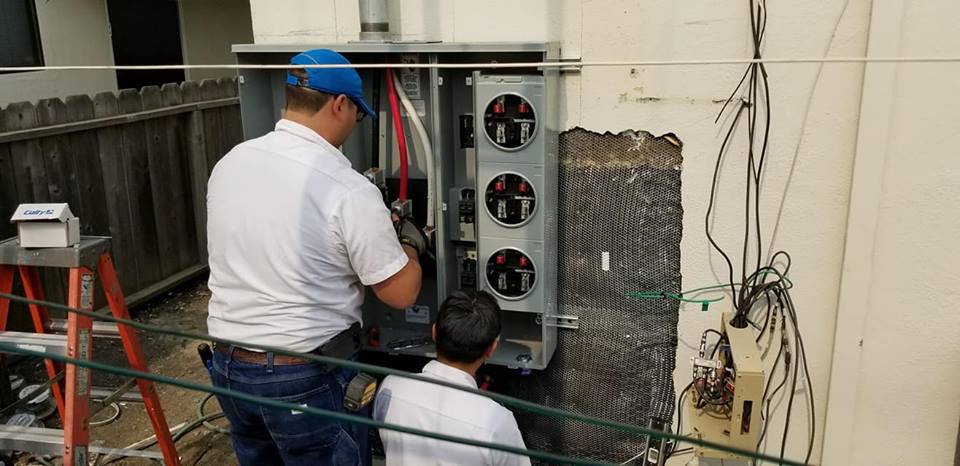
If the checks above do not stop the flicker, or if you feel uncomfortable working with electrical components, it is time to bring in a licensed electrician. Loose connections in junction boxes, damaged wiring inside walls, and problems in the main panel are not DIY jobs. They require proper testing with a voltmeter and the knowledge to trace circuits safely. A professional can also determine whether the flicker is coming from the utility supply, which would need a call to the power company.
For residents of San Jose and the surrounding Bay Area, Wooding Electric provides residential and commercial electrical troubleshooting, repairs, wiring improvements, and related electrical services. Their team can safely diagnose flicker that originates in the circuit wiring and recommend the right fix. If you have tried the simple steps and the problem remains, having a qualified electrician inspect the circuit is the best way to prevent a minor annoyance from becoming a bigger issue.
The Role of Appliance Load and Voltage Fluctuation
Large appliances on the same circuit as lighting can cause flicker, especially in older homes where circuits were not designed for modern loads. A refrigerator or air conditioner starting up draws several times its running current for a split second. That drop in voltage can make lights dim or flicker. If this happens only occasionally, it is usually normal. But if the flicker is frequent or lasts longer than a second, the circuit may be overloaded or the appliance may have a problem. In that case, an electrician can measure the voltage drop and determine whether the circuit needs upgrading or the appliance needs servicing.
Another thing to watch for is flicker that seems random, not tied to any appliance. That can indicate a loose neutral connection in the panel or at the meter. A loose neutral is dangerous because it can cause overheating and fire. If you notice a faint buzzing sound from the panel or a warm spot on a switch plate, do not ignore it. Turn off the affected circuit at the breaker and call a professional immediately.

Putting It Together
Identifying the source of flicker starts with a simple question: is it just one light, or are several lights involved? A single light points to the bulb or the fixture. Multiple lights point to the circuit wiring or the utility supply. The checks you can do safely are limited to tightening the bulb, trying the bulb in another fixture, and inspecting the socket tab. Everything else belongs in the hands of a qualified electrician. Wooding Electric can help with the deeper diagnosis and any repairs needed, from tightening connections in a junction box to upgrading a dimmer switch or replacing a faulty breaker. Flicker is often a sign that something is loose or failing, and the earlier it is addressed, the less likely it is to cause damage or a safety hazard.
Understanding the difference between a bulb issue and a circuit issue saves time and money. A new bulb is a quick, cheap fix. A circuit repair is not. By following the simple checks described here, you can tell which one you are dealing with and decide whether to handle it yourself or call a professional. Either way, you will have a steady, reliable light again.
Ends · THEELECTRICALROOM